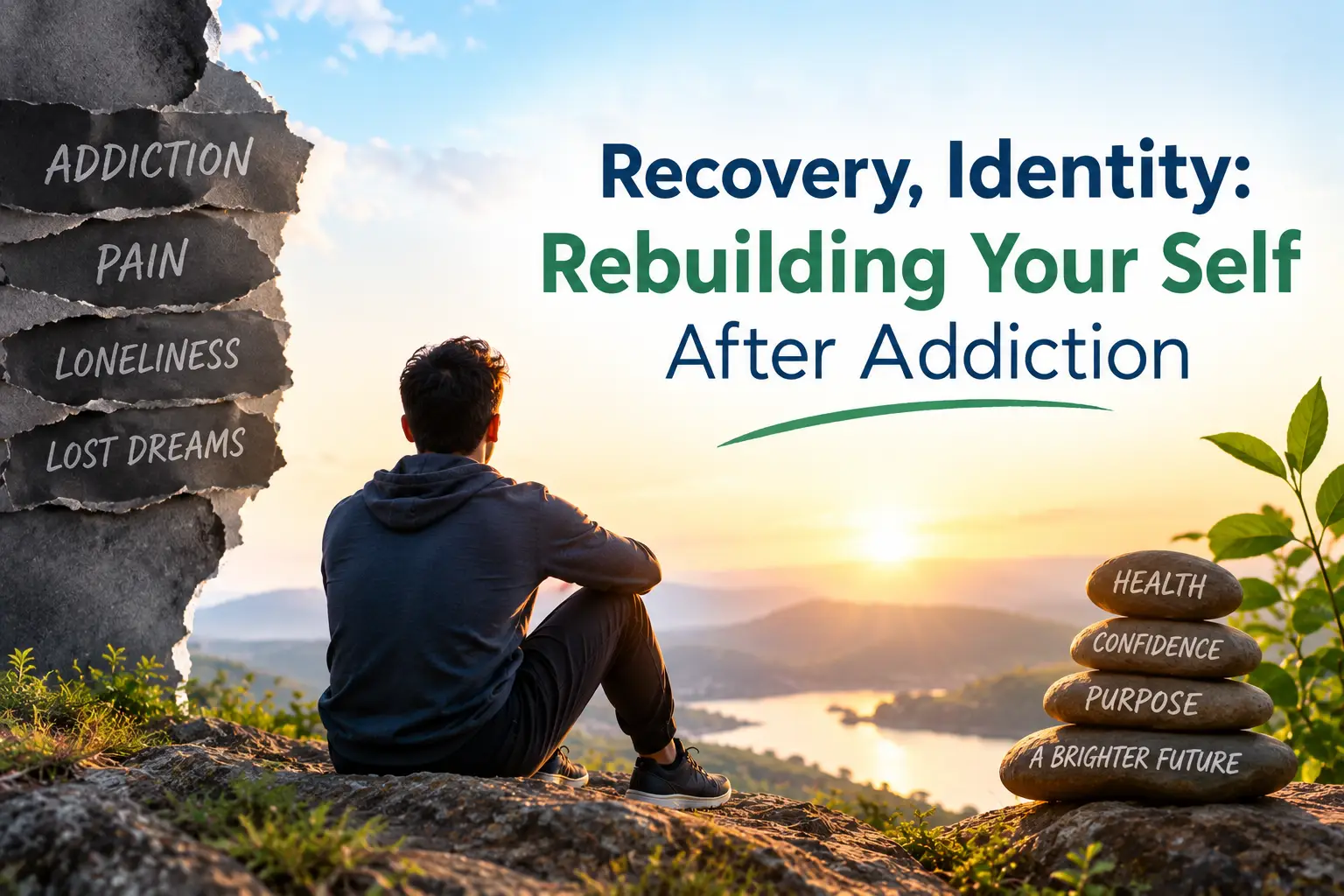
Recovery and Identity: Rebuilding Your Self After Addiction
Rebuilding your life after addiction starts with healing, purpose, and positive change. Explore practical steps to regain confidence, create healthy habits, and move forward.
Recovery does not end when substance use stops. Drugs And Alcohol De-Addiction Treatment in Bhubaneswar can help people begin rebuilding daily routines, relationships, confidence, and a sense of purpose after addiction.
1. Life After Addiction and Why Purpose Matters
Addiction can gradually take up much of a person's attention. Work, education, family, friendships, hobbies, health, and personal goals may receive less attention.
Once treatment begins and substance use is addressed, there may be more time and mental space to focus on these parts of life again.
Purpose does not have to mean finding a major life mission. It can begin with ordinary things:
- Taking care of family
- Returning to work or education
- Learning a skill
- Staying physically active
- Helping someone else
- Developing a hobby
- Maintaining a healthy daily routine
- Setting small personal goals
A meaningful life is usually built through repeated choices rather than one major decision.
2. Accepting the Past Without Living in It
People recovering from addiction may carry regret about things they said or did during periods of substance use. Relationships may have been damaged. Money may have been lost. Work or education may have suffered.
Acknowledging these experiences is part of recovery, but repeatedly punishing yourself for the past does not change it.
A more useful approach is to ask:
What can I learn from what happened, and what can I do differently now?
Some past problems may require an apology or an effort to rebuild trust. Others may take longer. Family members may need time before they feel comfortable again.
Recovery does not require pretending that nothing happened. It involves accepting responsibility while also allowing room for change.
3. Rebuilding Daily Habits After Addiction
A stable routine can make everyday life easier during recovery. Simple habits may provide structure when motivation is low.
A daily schedule could include:
- Waking and sleeping at regular times
- Eating regular meals
- Attending counselling or treatment sessions
- Exercising or taking a walk
- Spending time with supportive people
- Completing work or household responsibilities
- Setting aside time for rest
- Avoiding situations linked to previous substance use
Small routines can gradually create a sense of control. There will be difficult days, and a missed routine does not mean recovery has failed.
The goal is to build habits that can realistically continue for months and years.
4. Repairing Family and Personal Relationships
Addiction affects more than the person using substances. Parents, partners, children, siblings, and friends may also experience stress and disappointment.
Rebuilding these relationships takes patience
Drugs And Alcohol De-Addiction Treatment in Bhubaneswar One useful change is learning to communicate honestly without making promises that cannot be kept. Instead of trying to prove everything through words, consistent actions can show that life is changing.
For example, arriving on time, following through on responsibilities, attending treatment, and maintaining healthy boundaries can gradually rebuild confidence within a family.
Not every relationship will return to exactly how it was before addiction. Recovery sometimes involves accepting this while focusing on the relationships that can be rebuilt in a healthy way.
5. Finding Purpose Through Work and Meaningful Activities
Some people may return to their previous job. Others may need to restart their career, continue education, learn a trade, or explore a different type of work.
Hobbies can also play a useful role. Music, sports, reading, gardening, cooking, art, spending time outdoors can provide healthy ways to use free time.
A good starting point is to choose something manageable rather than trying to change everything at once.
Ask yourself:
- What activities did I enjoy before addiction became a major part of my life?
- What skill would I like to learn?
- What responsibilities matter to me?
- Who do I want to become more present for?
- What can I work toward over the next month?
The answers may change with time. That is perfectly normal.
6. Managing Triggers and Setbacks
Recovery can include difficult moments. Certain people, places, emotions, or situations may create an urge to use substances.
Learning personal triggers is useful because it allows a person to prepare for difficult situations.
A recovery plan may include:
- Identifying common triggers.
- Avoiding high-risk situations when possible.
- Calling a supportive person during difficult moments.
- Using healthy coping activities
- Continuing counselling or follow-up care
- Seeking professional help if cravings become difficult to manage.
A setback should not automatically be treated as the end of recovery. It can be a reason to review what happened and seek additional support.
If substance use resumes, medical or addiction professionals should be involved as soon as possible, particularly when withdrawal or other health risks may be present.
7. The Role of Professional De-Addiction Treatment
Professional care can be useful when a person is trying to stop using drugs or alcohol and rebuild their life.
A Drugs And Alcohol De-Addiction Treatment in Bhubaneswar program may involve assessment, counselling, behavioural support, medical care where required, family support, and planning for continued recovery.
The right treatment depends on the substance involved, duration and pattern of use, physical health, mental health, previous treatment experiences, and other individual factors.
Koshish De-Addiction in Bhubaneswar can be approached by individuals and families who want to discuss addiction treatment and recovery support. A direct conversation with the treatment team can help clarify what type of support may be appropriate.
8. Building a Support System for Long-Term Recovery
Recovery becomes easier to maintain when a person does not have to manage every challenge alone.
Support can come from different places, such as:
- Family members
- Friends who respect recovery goals
- Counsellors
- Doctors and treatment professionals
- Peer-support groups
- Community activities
It is also useful to set boundaries around people or environments connected to previous substance use. Saying no to certain situations may feel uncomfortable at first, but protecting recovery is a practical part of rebuilding life.
9. Frequently Asked Questions
1. Can a person rebuild their life after addiction?
Yes. Recovery can involve rebuilding health, relationships, work, education, routines, and personal goals. Progress is different for each person and may take time.
2. How do I find purpose after addiction?
Start with small responsibilities and activities that have meaning to you. Family, work, education, hobbies, volunteering, and personal development can all become sources of purpose.
3. Can family help during addiction recovery?
Family support can be helpful when it is healthy and appropriate. Families may also benefit from professional guidance about communication, boundaries, and their own wellbeing.
4. When should someone seek de-addiction treatment?
Professional help should be considered when drug or alcohol use is difficult to control, is affecting health or relationships, or repeated attempts to stop have not worked.
5. Is relapse a failure?
A return to substance use is a serious concern, but it does not mean that treatment or recovery is permanently over. Professional support should be sought quickly to understand what happened and adjust the recovery plan
Contact Koshish De-Addiction
For information about addiction treatment and recovery support in Bhubaneswar, Koshish De-Addiction can be contacted using the details below:
Koshish Deaddiction
koshishrehab@gmail.com
help@koshishdeaddiction.in
Plot No:463, Maruti Residency, Raghunathpur, Bhubaneswar, Odisha 754005
Conclusion
The goal is not to create a perfect life overnight. It is to develop healthier routines, repair relationships where possible, manage difficult situations, and find works that give everyday life meaning.
De-Addiction Center in Bhubaneswar For anyone considering Drugs And Alcohol De-Addiction Treatment in Bhubaneswar, support can provide a starting point for understanding treatment options and planning the next stage of recovery. Small changes can become the foundation for a different way of living.


Leave a Reply
Required fields are marked with * . We respect your privacy and will not publish your email address.