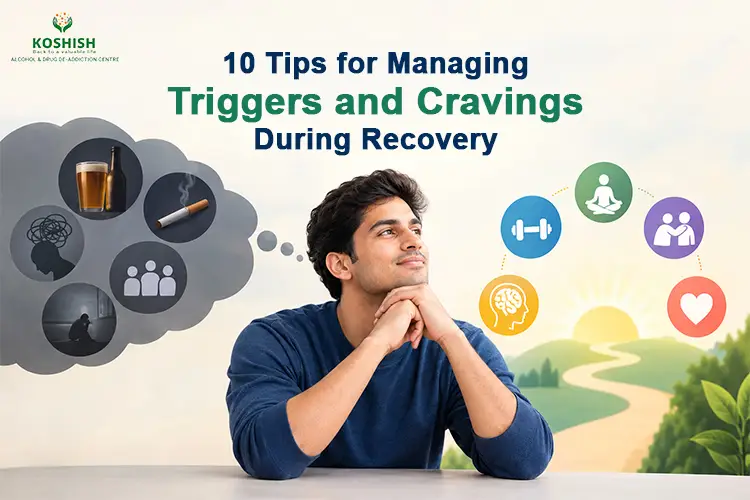
10 Tips for Managing Triggers and Cravings During Recovery
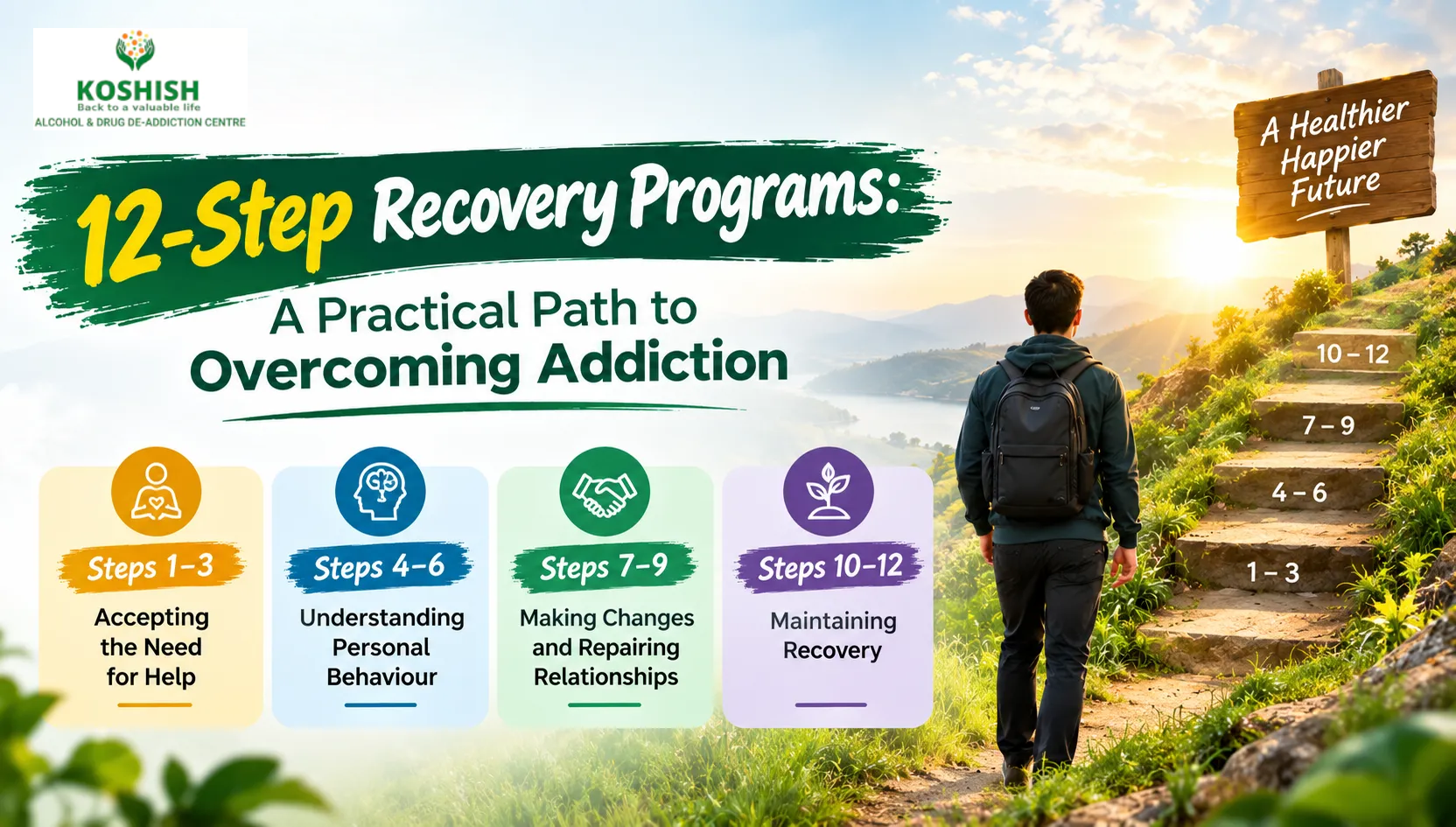
Learn how 12-step recovery programs support drug and alcohol addiction treatment through peer support, personal growth, and long-term recovery in Bhubaneswar, Odisha.
Recovery takes time, patience, and daily effort. Learning to manage triggers and cravings can help build a healthier life, one day at a time.
Best Drugs And Alcohol De-Addiction Treatment in Bhubaneswar can help people learn to manage triggers and cravings during recovery. Recognising what causes the urge to use drugs or alcohol and learning healthy ways to respond can support long-term recovery.
Recovery takes time. A person may feel hopeful one day and struggle with strong urges the next. A familiar place, an argument, loneliness, or meeting old friends can bring back thoughts of substance use. These experiences do not mean that recovery has failed. With suitable treatment, practical coping skills, and ongoing support, people can learn to handle these difficult moments.
1. What Are Triggers and Cravings in Addiction Recovery?
A trigger is a person, place, feeling, memory, or situation that increases the urge to use a substance. For example, visiting a place where someone previously used drugs may bring back memories and make recovery more difficult.
A craving is a strong desire or urge to use drugs or alcohol. It can involve repeated thoughts about using a substance, restlessness, or difficulty concentrating.
Triggers and cravings are connected, but they are not the same. A trigger may lead to a craving, although cravings can also appear without an obvious trigger. Learning to recognise both can help a person respond before the urge becomes harder to manage.
At Koshish De-Addiction Centre in Bhubaneswar, understanding the available recovery options can help individuals and families make informed decisions about treatment.
2. 10 Tips for Managing Triggers and Cravings During Recovery
2.1. Identify Personal Triggers:
The first step is understanding what increases the urge to use substances. Triggers differ from person to person. Stress, loneliness, financial worries, certain social groups, or places associated with past substance use may all play a part.
Writing down when cravings occur can help reveal patterns. A person may notice that urges are stronger after arguments, during weekends, or when spending time alone. Recognising these situations makes it easier to prepare for them.
2.2. Stay Away from High-Risk Situations:
During early recovery, some environments can make it harder to avoid substance use. Spending time with people who regularly use drugs or alcohol may increase the temptation to return to old habits.
It may help to avoid these situations while building stronger coping skills. If meeting certain people is unavoidable, plan an exit, arrange support, and choose a safer setting.
Setting boundaries is part of recovery. Friends and relatives who respect those boundaries can make the process easier.
2.3. Learn to Pause When a Craving Appears:
A strong craving can feel urgent, but a person does not have to act on it immediately. Try pausing, moving away from the trigger, and focusing on a safe activity.
Some people find it helpful to take slow breaths, drink water, listen to music, or call someone they trust. Cravings may rise and fall in intensity, although their duration varies.
If the urge remains strong, contacting a counsellor or recovery support person can help prevent an impulsive decision.
2.4. Build a Healthy Daily Routine
Unplanned time can leave room for boredom, negative thoughts, and memories of substance use. A regular routine gives the day structure and creates opportunities for healthier habits.
A simple routine may include waking up at a consistent time, eating regular meals, attending counselling, walking, completing household tasks, and getting enough sleep.
The aim is not to fill every minute. It is to build a balanced day that supports physical health and emotional stability.
2.5. Talk About Difficult Feelings
Some people use drugs or alcohol to cope with sadness, anxiety, anger, or painful experiences. During recovery, these feelings may need attention rather than avoidance.
Speaking with a trained counsellor can help a person understand emotional triggers and develop healthier responses. Talking to a trusted family member or support group may also reduce feelings of isolation.
People should not feel ashamed of asking for help. Emotional support is a normal part of addiction treatment.
2.6. Practise Stress Management
Stress can increase the urge to return to familiar coping habits. Learning to manage stress can make difficult situations easier to handle.
Helpful activities may include gentle exercise, breathing exercises, meditation, journaling, gardening, or spending time outdoors. Choose activities that fit the person's health and daily life.
These methods can support recovery, but they are not a substitute for professional treatment when substance dependence requires medical care.
2.7. Choose Supportive People
Recovery can become harder when a person feels alone. A supportive friend, family member, counsellor, or recovery group can provide encouragement during difficult moments.
It helps to identify someone who can be contacted when cravings become intense. The person offering support should listen without judgement and encourage safe choices.
Families can also learn about addiction so they understand that recovery involves treatment, patience, and continued effort.
2.8. Recognise and Challenge Unhelpful Thoughts
During a craving, a person may think, "One time will not matter" or "I cannot handle this without drugs." Such thoughts can increase the risk of returning to substance use.
Try noticing the thought without immediately believing it. Ask what happened the last time substance use was used to manage a similar feeling. Remember the reasons for choosing recovery and contact a support person if needed.
Counselling, including cognitive behavioural therapy when appropriate, can help people recognise thought patterns and practise healthier responses.
2.9. Follow the Treatment and Aftercare Plan
Recovery does not always end when a rehabilitation programme finishes. Continued counselling, follow-up appointments, support groups, and relapse-prevention planning can help a person manage challenges after returning home.
For some people, a doctor may recommend medication as part of treatment. The right approach depends on the substance involved, the person's health, and individual treatment needs.
People looking for a Drugs & Alcohol De-Addiction Centre in Bhubaneswar should ask about counselling, medical supervision, family involvement, and aftercare support before choosing a service.
2.10. Treat Setbacks as a Reason to Seek Support
A return to substance use can happen during recovery. It should be taken seriously, but it does not mean that further recovery is impossible.
If a setback occurs, contact a treatment professional, identify what contributed to it, and review the recovery plan. Avoid hiding the situation out of shame. Early support may help prevent further harm.
If a person has returned to drug use after a period of abstinence, their tolerance may have decreased, increasing the risk of overdose. Seek urgent medical help if an overdose is suspected.
3. When to Seek Professional Help
Professional support is especially important when cravings are frequent, substance use is difficult to control, or withdrawal symptoms appear.
Alcohol and certain drug withdrawals can cause serious complications. People who use these substances regularly should seek medical advice before stopping suddenly. Severe confusion, seizures, difficulty breathing, or suspected overdose require emergency medical care.
The Best Drugs And Alcohol De-Addiction Treatment in Bhubaneswar should involve an assessment of the person's needs, appropriate treatment, and a plan for continued support. No single treatment approach suits everyone.
4. How Koshish De Addiction Supports Recovery
Koshish De Addiction in Bhubaneswar is a local option for people and families seeking information about addiction treatment. People can contact the centre to ask about its current services, treatment approach, counselling facilities, and aftercare arrangements.
Choosing a treatment centre is a personal decision. Ask how medical needs are assessed, what support is available during withdrawal, how families can participate, and what happens after a programme ends.
For many people, recovery becomes more manageable when professional guidance is combined with supportive relationships and healthy daily habits.
5. Frequently Asked Questions
1. What is the difference between a trigger and a craving?
A trigger is something that increases the urge to use a substance, such as stress or visiting a familiar place. A craving is the strong desire to use the substance that may follow.
2. How can I manage drug cravings at home?
Move away from triggers, contact a supportive person, follow a planned activity, and use coping skills learned in treatment. If cravings feel difficult to control, seek help from an addiction professional.
3. How long do drug cravings last?
There is no fixed duration. Some cravings may pass relatively quickly, while others may return over days, weeks, or longer periods. Their frequency and intensity vary according to the person and the substance involved.
4. Can counselling help prevent relapse?
Counselling can help people recognise triggers, manage emotions, challenge unhelpful thoughts, and develop a relapse-prevention plan. Continued support may be helpful throughout recovery.
5. Is a 12-step program suitable for everyone?
No single approach works for everyone. People should consider their preferences, recovery goals, and clinical needs when choosing between peer support, therapy, medication, or combined treatment.
6. Where can someone seek de-addiction treatment in Bhubaneswar?
People can contact Koshish De Addiction to enquire about its current treatment services and support options. They should discuss their needs with qualified professionals to understand which care is appropriate.
Contact Koshish De Addiction
For enquiries about drug and alcohol addiction treatment in Bhubaneswar, contact the centre using the details below.
Koshish Deaddiction
koshishrehab@gmail.com
help@koshishdeaddiction.in
Plot No:463, Maruti Residency, Raghunathpur, Bhubaneswar, Odisha 754005
Conclusion
Managing triggers and cravings is part of addiction recovery. Identifying high-risk situations, building healthy routines, talking about difficult feelings, and staying connected with support can help people respond to cravings more safely.


Leave a Reply
Required fields are marked with * . We respect your privacy and will not publish your email address.